Sketch Smarter: Unlocking Memory Through Visual Note‑Taking

Discover how drawing your notes transforms fleeting information into durable understanding. We explore the science behind drawing your notes and the memory and comprehension gains it unlocks, blending psychology, neuroscience, and practical craft. Expect clear explanations, field-tested tactics, and warm encouragement to experiment today. Whether you study, teach, or lead, these visual strategies turn complexity into clarity, reduce cognitive load, and make recall feel natural, playful, and consistently reliable.

How Images Anchor Memory

Pictures capture attention, create dual pathways for encoding, and compress meaning into compact, retrievable chunks. Research on picture superiority and dual coding shows that combining visuals with words strengthens cues, accelerates retrieval, and supports deeper elaboration. Drawing engages motor, spatial, and semantic systems together, weaving multiple traces that resist forgetting during stress, exams, and fast-paced meetings.

From Lines to Understanding: Comprehension Gains

Understanding grows when you externalize structure. Sketching forces selection of what matters, organization into frames, and integration across parts. As cognitive load drops, relationships become visible, misconceptions surface early, and explanations tighten. Learners move from memorizing fragments to reasoning with systems, stories, and cause‑and‑effect chains.

Before You Start

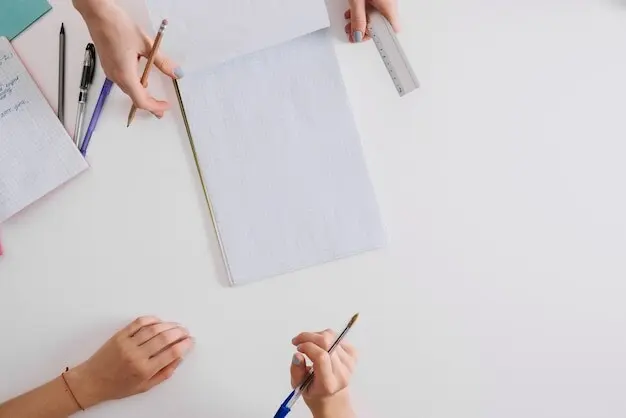
Prepare a reference sheet of common icons, arrows, and frames you can draw in under three seconds. Sketch a legend for people, processes, time, and data. Set a modest goal for the session, choose a palette, and leave margins for reflections, sources, and follow‑up tasks.

During the Session

Listen for structure, not sentences. Capture headings as bold containers, drop examples as small sketches nearby, and connect causes to effects with arrows. If pace surges, park open questions in a corner box, then return later to complete links without losing the speaker’s flow.

After the Session

Within twenty‑four hours, redraw the page from memory, then compare with the original to reveal fragile spots. Add concise captions, index key pages, and share a snapshot with peers. This light retrieval practice cements pathways and keeps the material accessible when deadlines close in.

Design Choices That Boost Recall

Thoughtful design reduces noise and highlights signal. Use contrast, scale, and spacing to guide eyes along an intentional path. Limit decorative flourishes that burden working memory, favor clear icons, and layer meaning with consistent color. The result is faster absorption, stronger cues, and calmer concentration.

Evidence and Stories from Real Learners

Data persuades, but lived experience inspires. Across classrooms, studios, clinics, and boardrooms, people report calmer focus, clearer explanations, and surprisingly durable recall after adopting sketch‑based notes. Their pages become thinking partners—capturing nuance, surfacing misconceptions kindly, and inviting collaboration as ideas evolve under real‑world pressure.

Build a Sustainable Visual Note Habit

Skill grows with gentle repetition, not heroic bursts. Lower friction, celebrate small wins, and link the practice to daily rhythms so it survives busy seasons. Templates, community prompts, and light challenges maintain momentum, while reflection turns pages into evolving, trustworthy companions for future projects.
Rinokentotelinari
Privacy Overview

This website uses cookies so that we can provide you with the best user experience possible. Cookie information is stored in your browser and performs functions such as recognising you when you return to our website and helping our team to understand which sections of the website you find most interesting and useful.